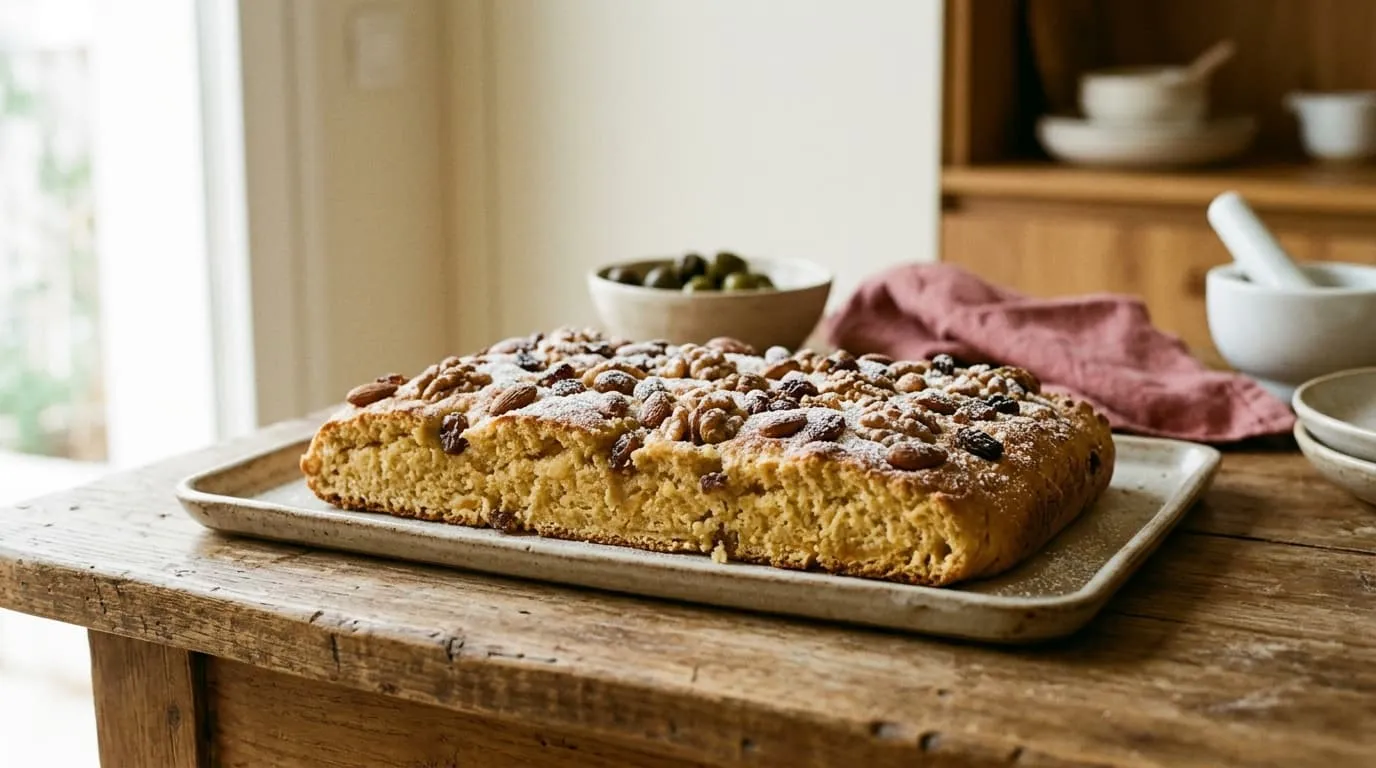

All Saints fogassa
Yield: 12 servings
Are there 40 or more of you? We cook rice dishes live for groups
Large paella pans need less liquid. Sources
Ingredients
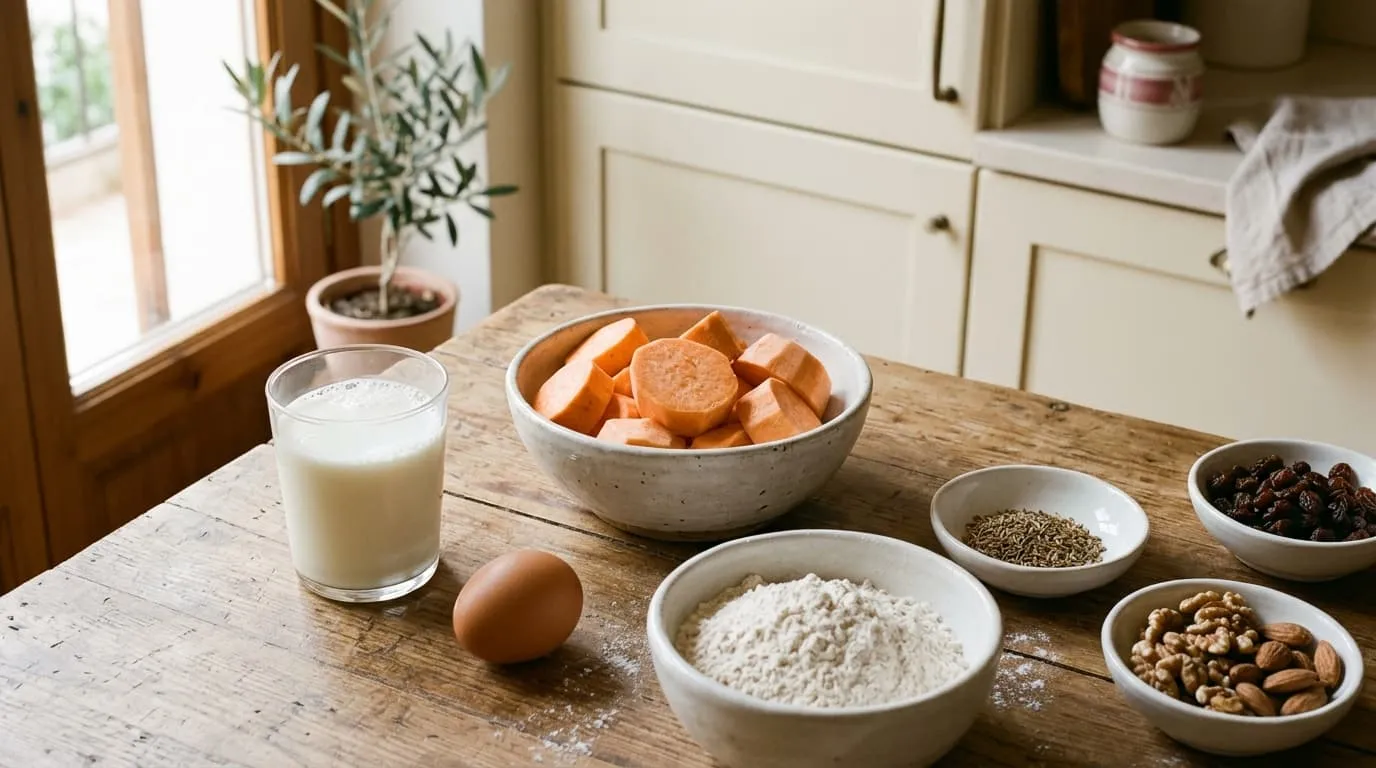
Dough
- 500 gStrong bread flour
- 200 gSweet potato, peeled
- 150 gSugar
- 200 mlLukewarm milk
- 1 pcsEgg
- 5 gAniseed
- 3 tbspOlive oil
- 10 gDried baker’s yeast
- 5 gSalt
Finishing
- to tasteToasted almonds
- to tasteWalnuts
- to tasteRaisins
- to tasteGround sugar
- to tasteOlive oil (for the bowl and the tray)
Ingredients
Steps
- 1Chop the peeled sweet potato and boil it for about 20 minutes, until soft. Drain it well, mash it with a fork leaving no lumps and let it cool.20 min
- 2Meanwhile, dilute the dried baker’s yeast in part of the lukewarm milk. Transfer the milk with the yeast to a large bowl and add the egg, the sugar, the aniseed and the salt. Stir and work in the cold sweet potato until the mixture is even.
- 3Sift the strong bread flour and add it little by little to the bowl.
- 4Stir with a spatula until the mixture absorbs all the flour. Add the olive oil and keep stirring until the dough comes away from the sides.
- 5Take the dough out of the bowl and knead it with your hands for a few more minutes, trying to aerate it.
- 6Pour a splash of olive oil into the bowl, put the dough in, cover it with a cloth and leave it to ferment until it doubles in volume.
- 7Grease the base and sides of a baking tray with oil. Transfer the dough and spread it out with oiled hands until it covers the whole surface.
- 8Scatter the walnuts, the toasted almonds and the raisins on top, pressing them in a little so that they do not fall off.
- 9Preheat the oven to 200 °C for about 15 minutes. Bake the fogassa on the middle shelf at 180 °C, for 25 to 30 minutes, depending on the oven.30 min
- 10Take it out of the oven and dust the surface with the ground sugar.
All Saints fogassa is a sweet bread made with sweet potato, aniseed and a handful of nuts on top. This recipe card follows the recipe from “Entraré a la cuina” and tells you the part that the header’s clock leaves out: the proving.
The times the header does not add up
The book gives 35 minutes of preparation, 30 of cooking and 65 in total. But the first step says to boil the sweet potato for about 20 minutes, so the cooking count is 20 plus 30, that is 50, and that is what the recipe card uses. There are more things outside that sum: the cooked sweet potato must cool before mixing, the oven is preheated to 200 °C for about fifteen minutes, and the dough ferments until it doubles in volume, with no hours in the source.
The dough is ready when it has doubled in volume. The book gives no proving time: wait until it reaches that point before moving it to the tray. Allow for proving in addition to the preparation and cooking times.
The sweet potato: cooked, drained and mashed
The sweet potato is peeled, chopped and boiled for about 20 minutes, until soft. It is drained well, mashed with a fork leaving no lumps and left to cool. The weight in the list is that of the peeled sweet potato, before cooking. No machine is needed: with a fork and patience you get the purée the dough asks for.
The dough: liquids first, flour after
The dried baker’s yeast is diluted in lukewarm milk and moved to a large bowl with the egg, the sugar, the aniseed and the salt. It is stirred, the cold sweet potato is worked in and you carry on until the mixture is even. Then comes the sifted flour, little by little, and it is stirred with a spatula until it absorbs it completely.
That is where the olive oil goes in and you keep stirring until the dough comes away from the sides of the bowl. Then it is taken out and kneaded with your hands for a few more minutes, trying to aerate it. The order matters: first everything is brought together with the spatula and only when the dough comes away from the sides is it moved to your hands.
Ferment, spread and top
The dough goes into a bowl with a splash of oil, covered with a cloth, and ferments until it doubles in volume. Then a baking tray is greased, base and sides, and the dough is spread with oiled hands until it covers the whole surface. On top, walnuts, toasted almonds and raisins, pressed in a little so that they do not fall off; the list gives no weight, only “a handful” of each.
The oven and the ground sugar
The oven is preheated to 200 °C for about fifteen minutes and the fogassa is baked on the middle shelf at 180 °C for 25 or 30 minutes, depending on the oven. When it comes out, the surface is dusted with ground sugar. The fifteen minutes of preheating are not within the 50 of cooking, so switch it on while the dough finishes fermenting.
One name, many relatives
The book titles the recipe Fogassa de Tots Sants and says that very similar preparations go by other names depending on the area; among them it cites panquemao. If you want to compare, there is the panquemado, with its double proving and its citrus, and the pumpkin fritters, another sweet made with pumpkin. The fogassa contains egg, gluten, milk and nuts, so check the 14 allergens if you serve it to guests.
If the meal is for a group
One tray is enough for a long get-together at home. If you are organising a group meal, see how we handle local fiestas and get a quote.
History and variations
“Entraré a la cuina”, the recipe book from the Caroig and Xúquer area, titles it Fogassa de Tots Sants and notes that very similar preparations go by other names depending on the place: panou, tonya, coc, pa socarrat, mona, panquemao or renganyades. The same book adds that the recipe has numerous variants and is very popular at Easter.
Tips
Mash the sweet potato with a fork until no lumps are left and let it cool before mixing it with the milk and the yeast. Sources
Press the nuts and raisins a little into the dough before baking so that they do not fall off. Sources
Adjust the baking between 25 and 30 minutes according to your oven and bake on the middle shelf. Sources
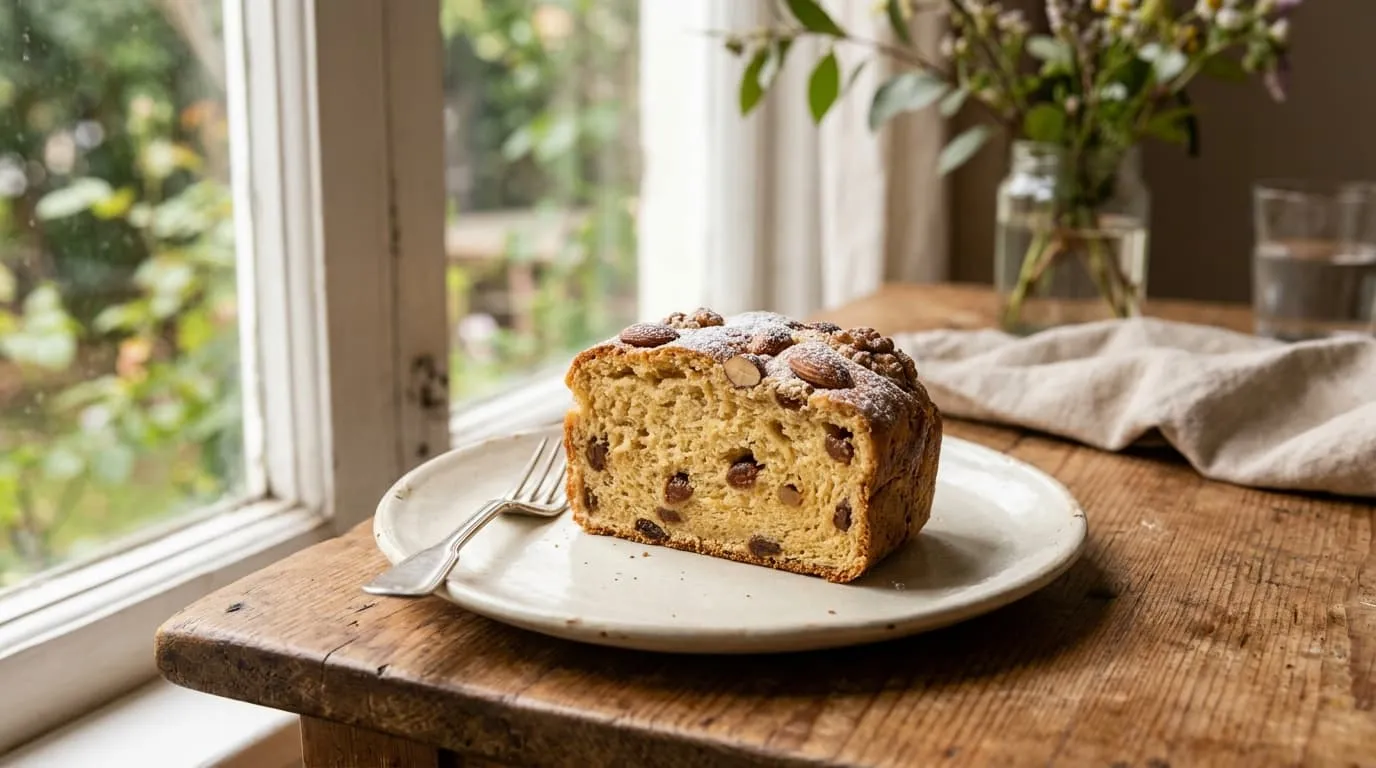
All Saints fogassa
Frequently asked questions
How long does the fogassa dough ferment?
The book gives no hours: the dough is left to ferment covered “until it doubles in volume”. It is the dough that decides and not a stopwatch, so allow for that time on top of the recipe card’s 35 minutes of preparation and 50 of cooking, and do not put the tray in the oven before it has doubled.
Why does the sweet potato have to cool before mixing it?
Because the recipe says to work it in cold to the mixture of milk with yeast, egg, sugar, aniseed and salt. The order is to boil for about 20 minutes until soft, drain well, mash with a fork leaving no lumps and let it cool. The book sets no time for the cooling, so allow for it when you plan the afternoon.
What is the point of preheating to 200 °C and baking at 180 °C?
The book says to preheat the oven to 200 °C for about fifteen minutes and then bake at 180 °C, on the middle shelf, for 25 to 30 minutes depending on the oven. They are two different temperatures: 200 °C is for the preheating and 180 °C for the baking. Those fifteen minutes of preheating do not count within the recipe card’s 50 minutes of cooking, so switch the oven on in good time.
Sources
Glossary terms
Recipes
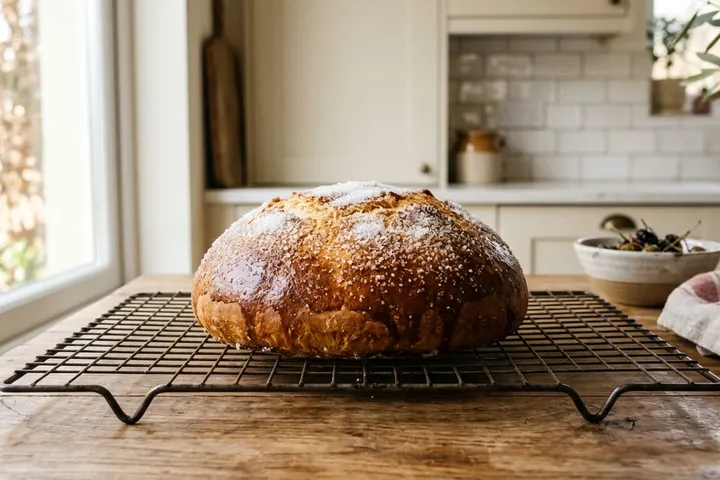
Panquemado sweet bread
Panquemado for 4: yeast-risen sweet bread with citrus zest, two provings until doubled, glazed with egg and sugar, baked at 200 °C for about 25 minutes.
Total time: 315 min
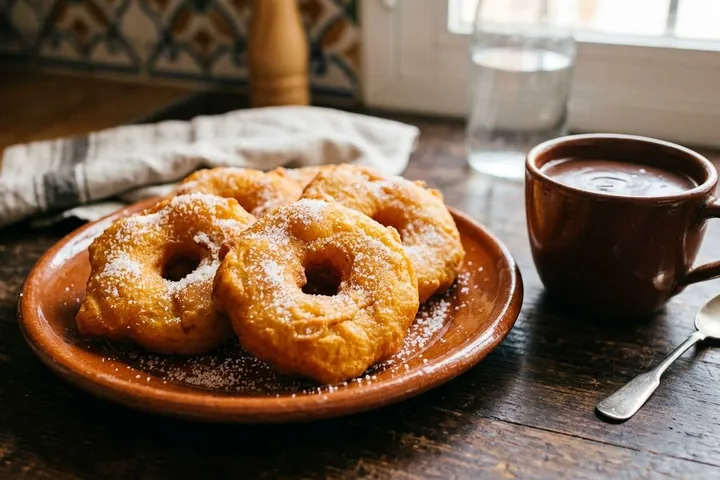
Pumpkin fritters (bunyols de carabassa)
Pumpkin fritters for about 12: roasted pumpkin, strong flour and fresh yeast, 30 minutes’ rest, fried with a hole in the middle and sugar on top.
Total time: 90 min