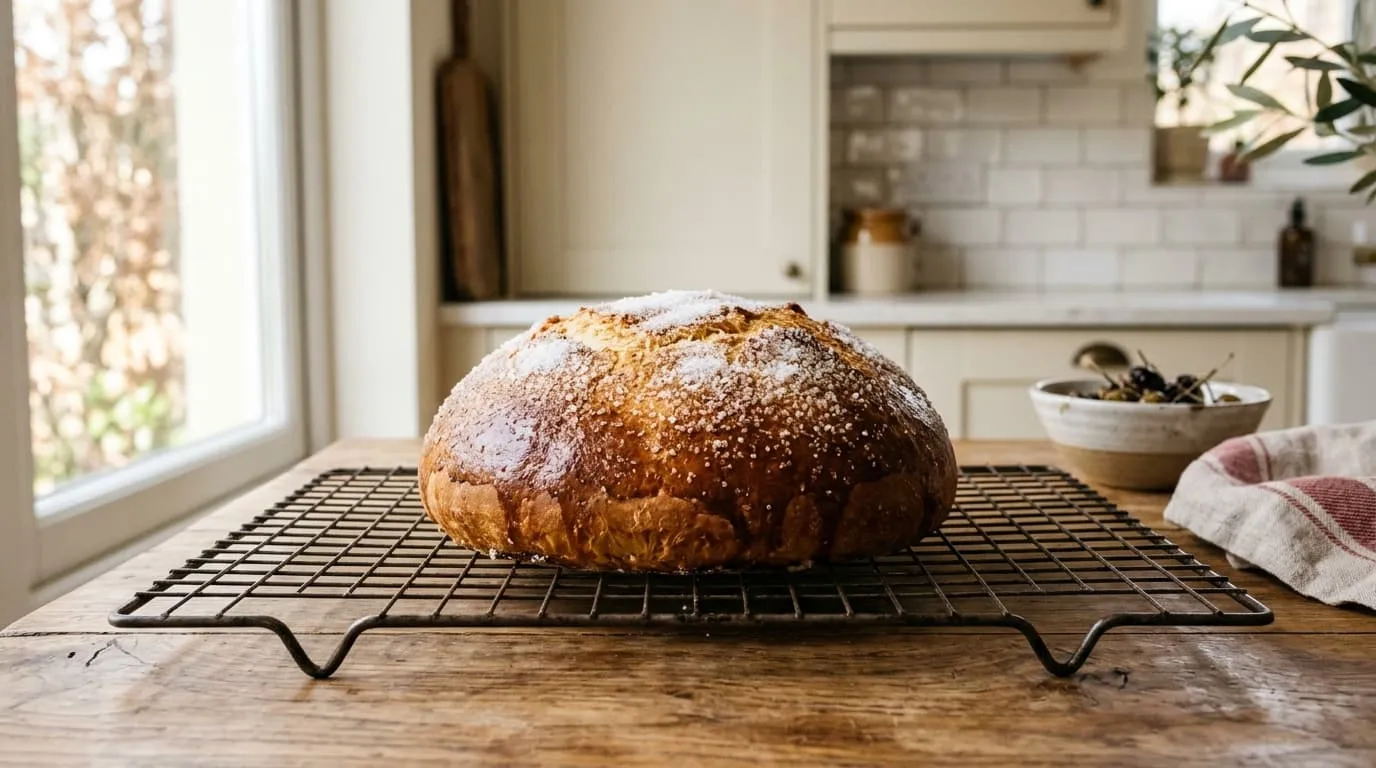

Panquemado sweet bread
Yield: 4 servings
Are there 40 or more of you? We cook rice dishes live for groups
Large paella pans need less liquid. Sources
Ingredients
Dough
- 10 gFresh baker’s yeast
- 70 mlLukewarm milk
- 60 gSugar
- 50 mlExtra virgin olive oil or sunflower oil
- to tasteLemon zest
- to tasteOrange zest
- to tasteSweet aniseed liqueur (optional)
- pinchSalt
- 300 gStrong bread flour
- 3 pcsEggs (two thirds for the dough and one third for glazing)
- to tasteSugar for topping
Ingredients
Steps
- 1Crumble the fresh baker’s yeast into the lukewarm milk and mix until it dissolves. Leave to ferment for 15 minutes.15 min
- 2Meanwhile, rub the sugar with the lemon zest and the orange zest with your hands in a large bowl.
- 3Set aside a third of the eggs for glazing. Beat the rest of the eggs with the extra virgin olive oil or sunflower oil, the sweet aniseed liqueur if you are using it and half of the strong bread flour.
- 4Add the milk with the yeast, start mixing and work in the rest of the flour with the salt.
- 5Knead for 10 to 15 minutes until you have a smooth, even, elastic dough. If it is unmanageable, add only a little more flour: a slightly moist dough is preferable.15 min
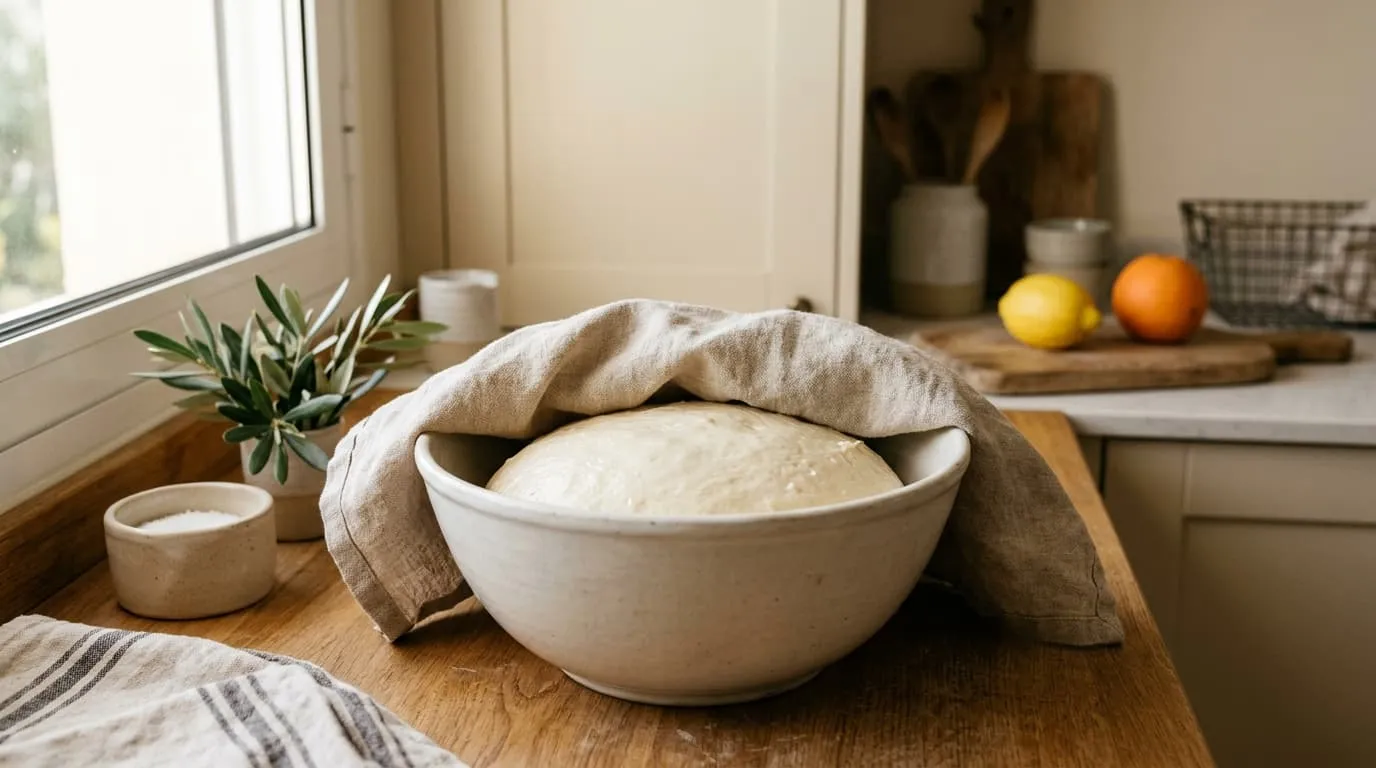
- 6Shape a ball, put it in a large bowl greased with a little oil, cover it and leave it to prove for two to three hours, until it doubles in size.180 min
- 7Knock back the dough on a lightly greased surface and knead it a little. Shape a ball with good tension on the surface and place it on a tray with baking paper.
- 8Beat the third of the eggs you set aside, glaze the dough with part of it and leave it to prove again, in a place free of draughts, until it doubles in size.
- 9Preheat the oven to 200 °C. Glaze again with the beaten egg that is left, cover with the sugar for topping and bake for about 25 minutes, until it is well browned on the outside without burning. If it browns too quickly, cover it with aluminium foil.25 min
- 10Let it cool on a rack before cutting.
Panquemado is a semi-sweet yeast bread, and its recipe depends more on time than on skill: the hard part is not kneading it, it is letting it prove as long as it asks. This recipe card follows the one from Directo al Paladar and tells you where the afternoon goes and where it does not.
Planning the day: more than four hours
The recipe’s header speaks of 50 minutes of preparation, 25 of oven and four hours of rest, five and a quarter hours in total. The steps detail those times like this: 15 minutes for the yeast to ferment in the milk, two to three hours of first proving and a second proving “until it doubles” with no figure given. Read the four hours as a guide: what counts is that the dough doubles, the second time too.
A practical way to organise it is to start in the morning or early in the afternoon. You only need to be nearby when it is time to knock back, shape the ball and glaze.
The dough: citrus, aniseed and plenty of patience
The sugar is rubbed with your hands with the lemon and orange zest in the large bowl before anything else is added: that way the citrus releases its aroma. Then come the eggs, the oil, the aniseed liqueur if you are using it and half of the flour, and lastly the milk with the yeast, the salt and the rest of the flour. The aniseed liqueur is sweet and optional.
It is worth remembering the split of the eggs from the start: a third is set aside for glazing and the other two thirds go into the dough. The flour is strong bread flour.
It is kneaded for 10 to 15 minutes, until you have a smooth, even, elastic dough. The source adds a practical tip: you can add a little more flour if it is truly unmanageable, but it is preferable to work a moister dough, because otherwise the bread comes out too dense.
Two provings and a ball with tension
After the first proving of two to three hours, the dough is knocked back on a lightly greased surface and kneaded a little more. Then a ball is shaped, giving the surface good tension, and moved to a tray with baking paper. It is glazed with the beaten egg you set aside and left to prove again until it doubles, in a place free of draughts.
This second proving has no time in the recipe: if it takes a while, wait until it doubles before putting it in the oven.
Glaze, sugar and oven
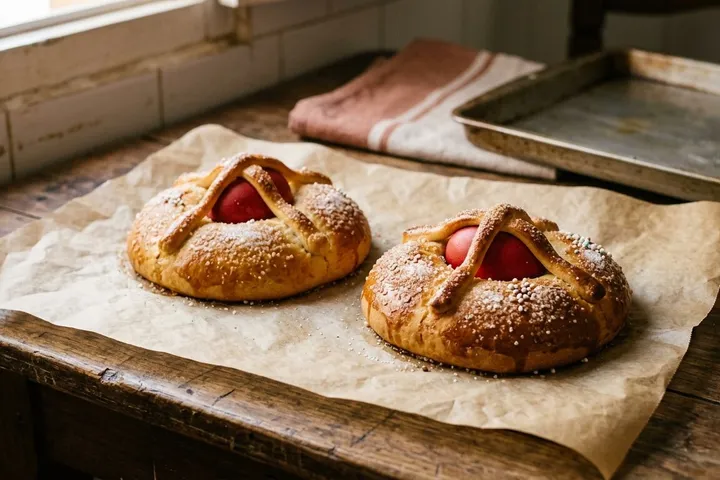
Before going into the oven, at 200 °C, it is glazed again with beaten egg and covered with sugar to taste. Directo al Paladar suggests moistening the sugar with a few drops of water, as is done on the roscón de Reyes, or using it as it is. In some places a cross-shaped cut is also made, but it is optional and is not included here.
It bakes for about 25 minutes, until it is well browned on the outside without burning. If it browns too quickly, it is covered with aluminium foil. Cool on a rack before cutting.
What it is eaten with
Directo al Paladar suggests it for breakfast with milk or coffee, and as an afternoon snack with chocolate; also with savoury things, and in Valencia it is typically had with egg and longaniza. It keeps well until the next day and, when it has dried out, it is good for making torrijas (similar to French toast). If you like the sweets of this season, see the mona de Pascua and the fartons, and remember that the Valencian Easter has its own Easter Monday holiday. It contains egg, gluten and milk; go over the 14 allergens if you serve it to guests.
If the meal is for a group
If you are organising a group meal, see how we handle local fiestas and get a quote.
History and variations
Directo al Paladar presents it as a traditional Valencian Holy Week recipe and also calls it panquemao, pan quemado or panou. “Entraré a la cuina”, the book from the Caroig and Xúquer area, lists panquemao among the names given to preparations very similar to fogassa, depending on the area. In Valencia it is typically eaten with egg and longaniza.
Tips
Prefer a slightly moist dough to a dry one: add more flour only if it is unmanageable, so that the bread does not turn out dense. Sources
Let it prove the second time in a place free of draughts, and if the oven browns it too quickly, cover it with aluminium foil. Sources
Wait for it to cool on a rack before cutting it. Sources
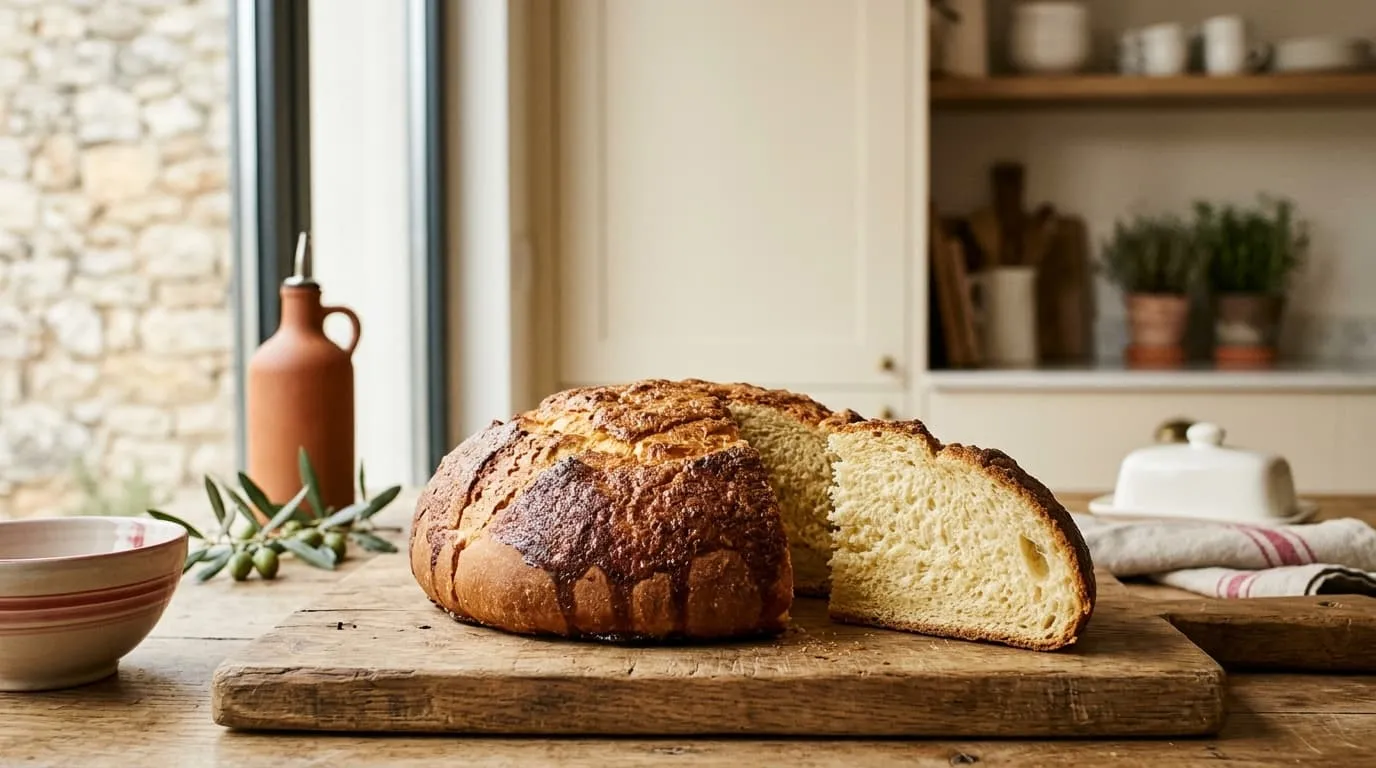
Panquemado sweet bread
Frequently asked questions
How long should panquemado be left to prove?
The first proving is two to three hours, until the dough doubles. For the second there is no figure: it is left to prove again until it doubles, and that depends on the dough and the place. The source’s header counts four hours of rest in total, so it is best not to plan on less. It is a recipe that asks you to plan the afternoon.
What is the point of glazing twice with egg?
It is glazed once before the second proving and again just before the oven, with the sugar already on top. For that, a third of the eggs is set aside from the start, and the other two thirds go into the dough. Directo al Paladar adds that the sugar can be moistened with a few drops of water, in the style of the roscón de Reyes (the ring-shaped Three Kings’ cake), or used as it is.
What is panquemado eaten with?
Directo al Paladar suggests it for breakfast with milk or coffee, or as an afternoon snack with chocolate, and also with savoury things: in Valencia it is typically eaten with egg and longaniza. It keeps well until the next day and, when it has dried out, it is good for making torrijas (similar to French toast). It does not have to be eaten only as a dessert.
Sources
Glossary terms
Recipes
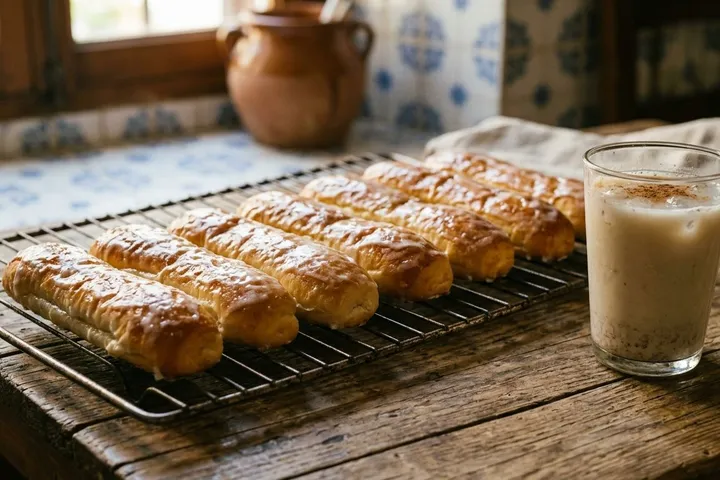
Fartons
Fartons, 10 pieces: strong flour dough with egg and oil, long rolls that double as they prove, baked and brushed with a hot glaze.
Total time: 227 min
Mona de Pascua
Mona de Pascua for about 8 people: overnight starter, dough with orange blossom water and orange, a dyed egg in each, strips in a cross and a 180 °C oven.
Total time: 25 min
Served at…
- Holy Week · Sources