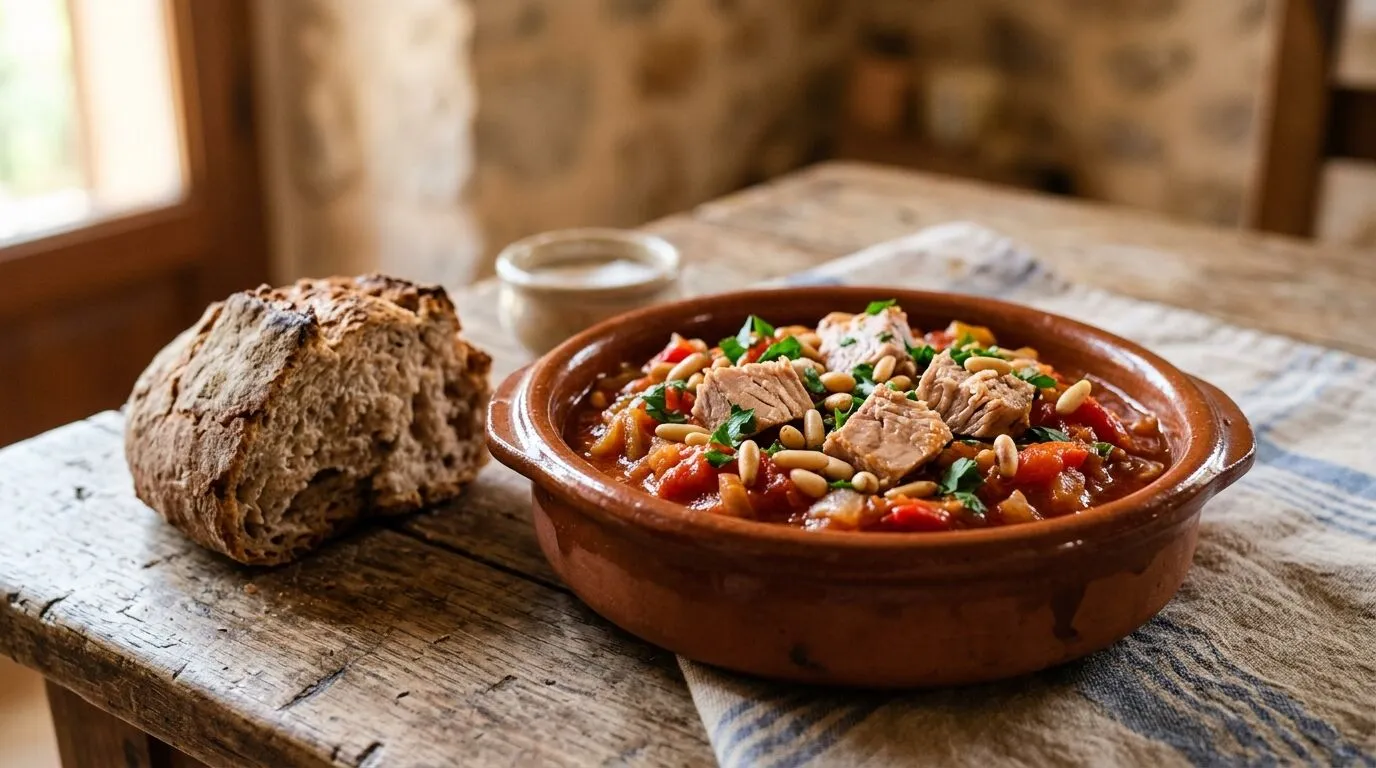

Titaina
Yield: 4 servings
Are there 40 or more of you? We cook rice dishes live for groups
Large paella pans need less liquid. Sources
Ingredients
Stew
- 300 gTuna belly (tonyina de sorra)
- 40 gPine nuts
- 2 clovesGarlic
- 2 pcsItalian green peppers
- 1 pcsRed bell pepper (pimiento morrón)
- 1 kgTomato
- to tasteExtra virgin olive oil
- to tasteSalt
Ingredients
Steps
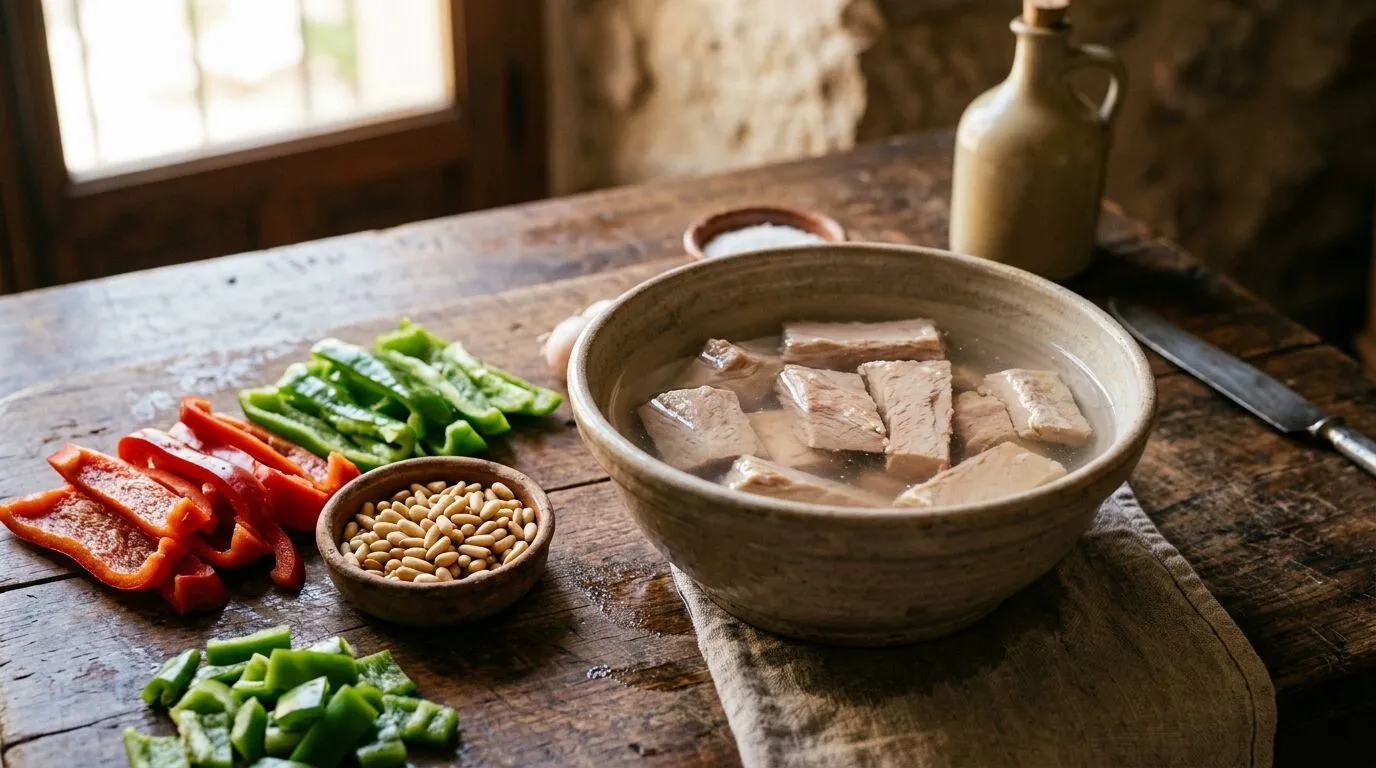
- 1If the 300 g is salted, soak it for at least 8 hours. If it is fresh, clean it and cut it into small pieces.480 min
- 2Finely chop the 2 cloves. Peel the peppers if you like (a peeler works well), remove the seeds and cut them into small dice. If you use whole 1 kg, cut a cross in the base, scald it, peel it and set aside.
- 3Heat a little to taste in a pot and gently soften the garlic with the 40 g, until they barely take colour.
- 4Add the tuna belly and turn up the heat until it browns. Take it out and set it aside.
- 5Put more oil in the same pot, add the 2 pcs and the 1 pcs with a pinch of to taste (no salt if the tuna is salted) and cook them slowly until soft.
- 6Grate or chop the tomato, add it and stir. Cook over a low heat for about 30 minutes, until almost all the liquid has evaporated.30 min
- 7Return the tuna belly to the pot and cook for at least 10 minutes more, or up to 30 over a low heat if you want it creamier and tastier.10 min
- 8Taste and adjust the salt and the acidity, and adjust the texture. To fill empanadillas, reduce it further until it is thick.
Titaina looks like a pisto, but it has tuna, and that changes it completely. It is one of those larder-and-vegetable-garden preparations that are made slowly and improve the next day. This recipe follows a single version, Directo al Paladar’s for four servings.
Tonyina de sorra: what it is and how to treat it
The ingredient that distinguishes it is tuna belly, which in the traditional recipe is salted: what is known as tonyina de sorra. If you buy it that way, it has to be soaked for at least 8 hours, and that shapes the whole plan: you put it in water the night before. If you find only fresh tuna, it is cleaned and cut into small pieces. The same source allows fresh bonito in season or a good-quality tinned tuna, and if you use salted tonyina there is no need to add salt to the vegetables.
With the tuna belly it is the same as with the salt cod in other recipes: badly done soaking is what you pay for. In the rice with salt cod and cauliflower you can see how the changes of water work.
The order in the pot
First go the garlic and pine nuts, over a low heat, until they barely take colour, without letting them burn. Then the tuna is browned and set aside. In that same pot, with more oil, the peppers are softened until tender. The tomato goes in and is cooked for about 30 minutes over a low heat, until almost all the liquid has evaporated. Only then does the tuna come back, cooked for at least 10 minutes more; if you leave it up to 30 over a low heat, it comes out creamier. At the end, taste and adjust the salt and the acidity: the tomato rules, and each one is different. If you want to fill empanadillas (small turnovers), reduce the sauce until it thickens.
It is not the sofrito of a rice: here the tomato and the peppers are the dish, not the base of something else.
The tomato and the peppers
The list asks for a kilo of fresh tomato; the source itself allows about 800 g if tinned, as long as it is good quality. The peppers, two green Italian and one red, are peeled if you like and cut into small dice. If you peel them, a peeler works well; seeds out.
The source warns that there are several versions according to the habits of whoever makes it: some add onion and others use only red pepper. Choose one and don’t mix measures from two different recipes.
Cold, lukewarm or hot
It is served cold in summer, and lukewarm or hot when it turns cooler. Bread is essential, and titaina goes well with hard-boiled egg or with Spanish potato omelette. It works as a filling for pepitos (small filled rolls), toasts, montaditos, empanadillas and thin-dough cocas; in that case, reduce it further until thick. In fact, the tuna coca is another preparation with tonyina, although its filling is not this one.
It keeps for several days in an airtight container in the fridge and improves after a few hours’ rest. For a tapas spread, the esgarraet and the pericana make a good team.
Mistakes that will cost you
- Not soaking the tonyina long enough. It would be salty.
- Burning the garlic or pine nuts. They are softened over a low heat.
- Putting everything in at once. The tuna is browned and set aside; the peppers go in before the tomato.
- Cutting short the cooking of the tomato. Almost all the liquid has to evaporate.
If there are lots of you at the table
Titaina holds up well made in advance, and for tapas and montaditos it works in quantity. If there are lots of you, we cook for groups at local fiestas.
History and variations
It is associated with the Poblados Marítimos of Valencia and specifically with the Cabanyal, the fishermen’s quarter. Directo al Paladar says it is often called “pisto de Valencia” but argues that it deserves its own name: its humble origins and vegetable-garden produce give it a seafaring flavour unlike other pistos.
Tips
The longer it simmers over a low heat once the tuna is back in (up to 30 minutes), the creamier and tastier it comes out. Sources
Keep it in an airtight container in the fridge: it lasts several days and improves after a few hours. Sources
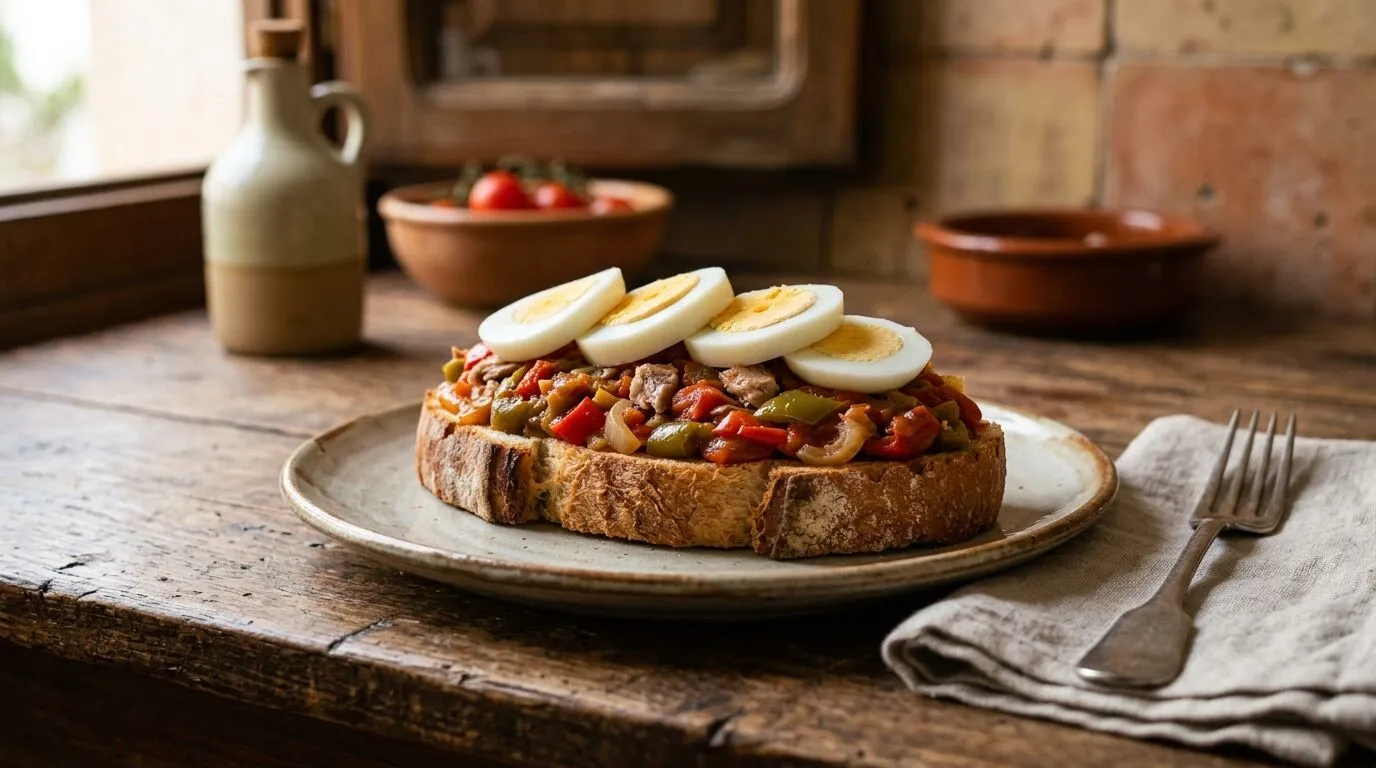
Titaina
Frequently asked questions
What is in titaina?
Tomato, green and red pepper, garlic, pine nuts, olive oil and tonyina, which is salted tuna belly. The Directo al Paladar recipe also accepts fresh tuna, bonito in season or a good-quality tinned tuna. Everything is cooked slowly until the tomato loses almost all its liquid, and the tuna is browned separately and returned at the end.
What is tonyina?
Tonyina de sorra is salted tuna belly, the classic ingredient of titaina. Directo al Paladar says that if it is salted it must be soaked for at least 8 hours, and that it can be replaced with fresh tuna, bonito in season or a good-quality tinned tuna. If it is salted, there is no need to add salt to the vegetables.
How do you make Valencian titaina?
Soften garlic and pine nuts, brown the tuna and set it aside. In the same oil soften the peppers, add the tomato and cook over a low heat for about 30 minutes. Return the tuna and leave for another 10 to 30 minutes. It is served cold in summer or lukewarm in cooler weather, with bread.
What is in a Valencian pisto?
Directo al Paladar says titaina is often called “pisto de Valencia”, although it argues that it deserves its own name for its humble origin and seafaring flavour. None of the sources consulted defines the Valencian pisto, so we don’t assume they are the same. Titaina has tomato, peppers, pine nuts and tonyina.
Sources
Glossary terms
Recipes
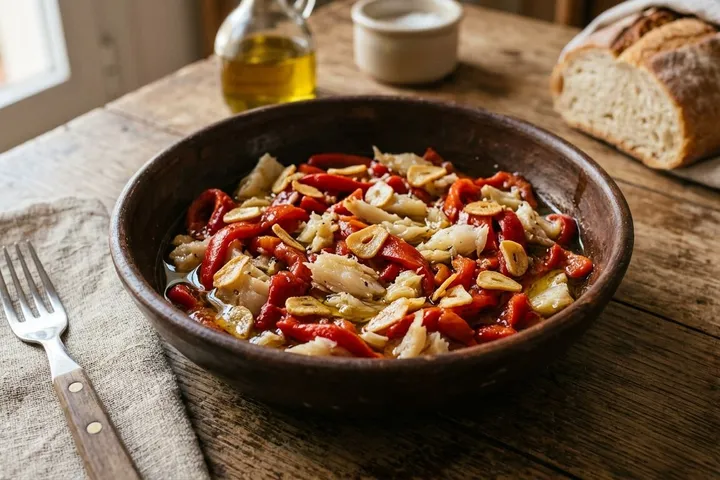
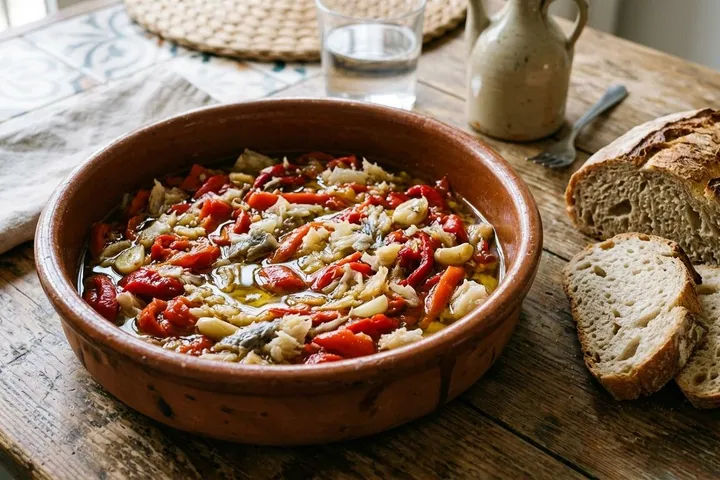
Esgarraet
Esgarraet for 4: red peppers roasted in the oven, peeled and torn by hand, with flaked salt cod and sliced garlic, left to rest in the fridge.
Total time: 260 min
Pericana
Pericana for 2: roasted dried red pepper, roasted flaked salt cod and toasted garlic, dressed with oil and paprika. As a starter.
Total time: 15 min
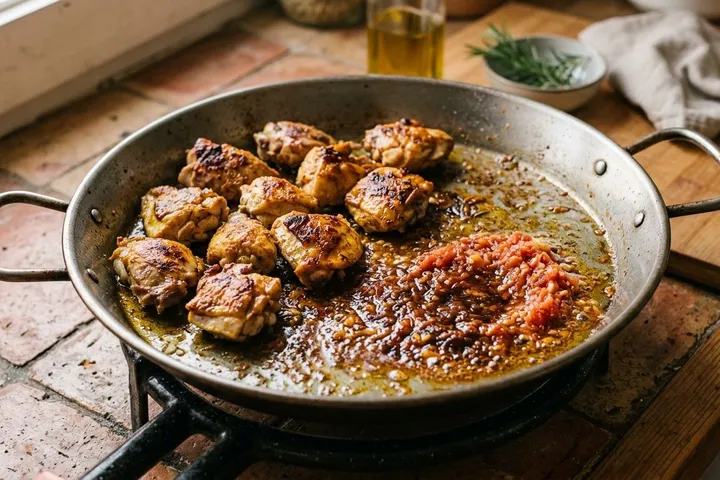
Sofrito for Valencian paella
The sofrito for Valencian paella is made in the paella pan itself: browned meat, tomato cooked slowly and the paprika last, taking care it doesn’t burn.
Total time: 8 min
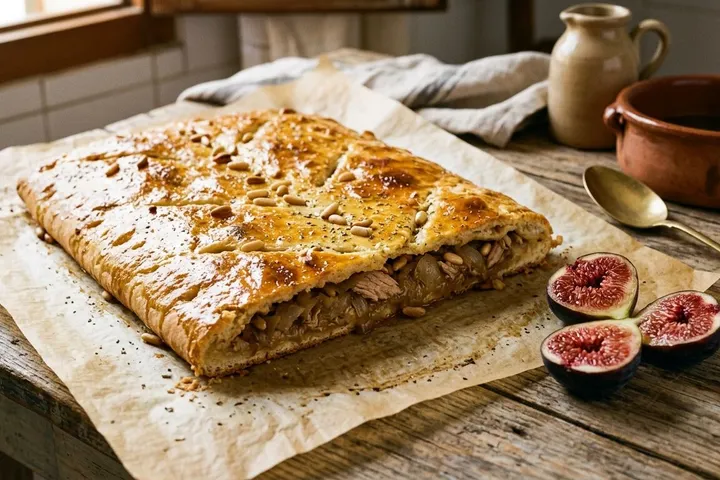
Tuna coca (coca amb tonyina)
Tuna coca for 500 g of flour: dough made by pouring boiled oil, water and aniseed over the flour, tuna belly, onion and pine nut filling, and a 200 °C oven.
Total time: 40 min