
Coca de llanda
Yield: 1 tins
Are there 40 or more of you? We cook rice dishes live for groups
Large paella pans need less liquid. Sources
Ingredients
Dough
- 6 pcsEggs
- 500 gSugar
- 250 mlWhole milk
- 500 gPlain flour (harina floja)
- 25 gGaseosa raising agent (sachet)
- 250 mlOlive oil
For the top
- to tasteSugar for the top
Ingredients
Steps
- 1Line the base of the llanda (the tin) with baking paper and preheat the oven for about 10 minutes at 180 °C.
- 2Beat the 6 pcs with the 500 g until the mixture turns pale.
- 3Add the 250 ml, the 500 g and the 25 g.
- 4When the batter has body, add the 250 ml little by little until it is smooth.
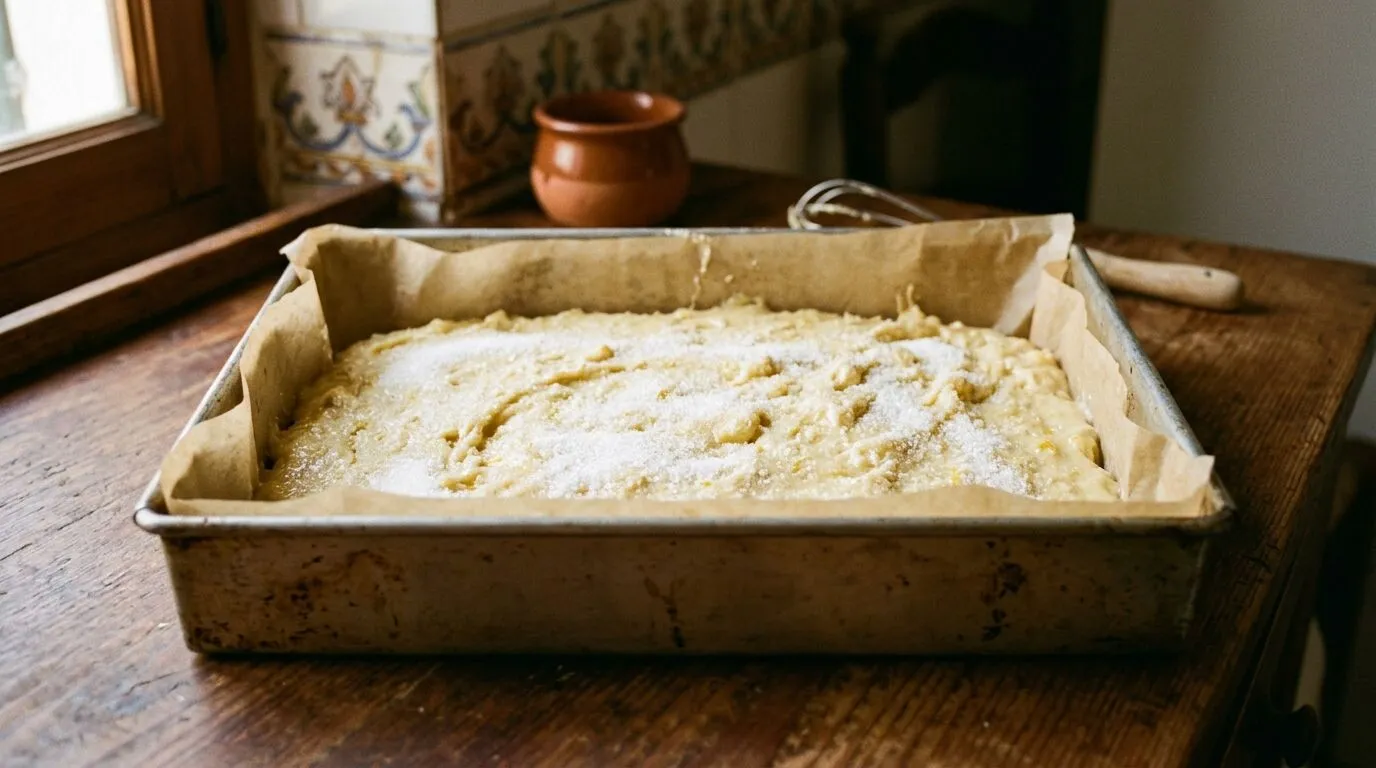
- 5Pour the batter into the tin without filling it to the top: it rises in the oven.
- 6Sprinkle a generous amount of to taste on top so the crunchy layer forms.
- 7Bake for 35 minutes at 180 °C.35 min
- 8Prick with a cocktail stick: it should come out clean.
- 9Leave to rest for at least 30 minutes before cutting.30 min
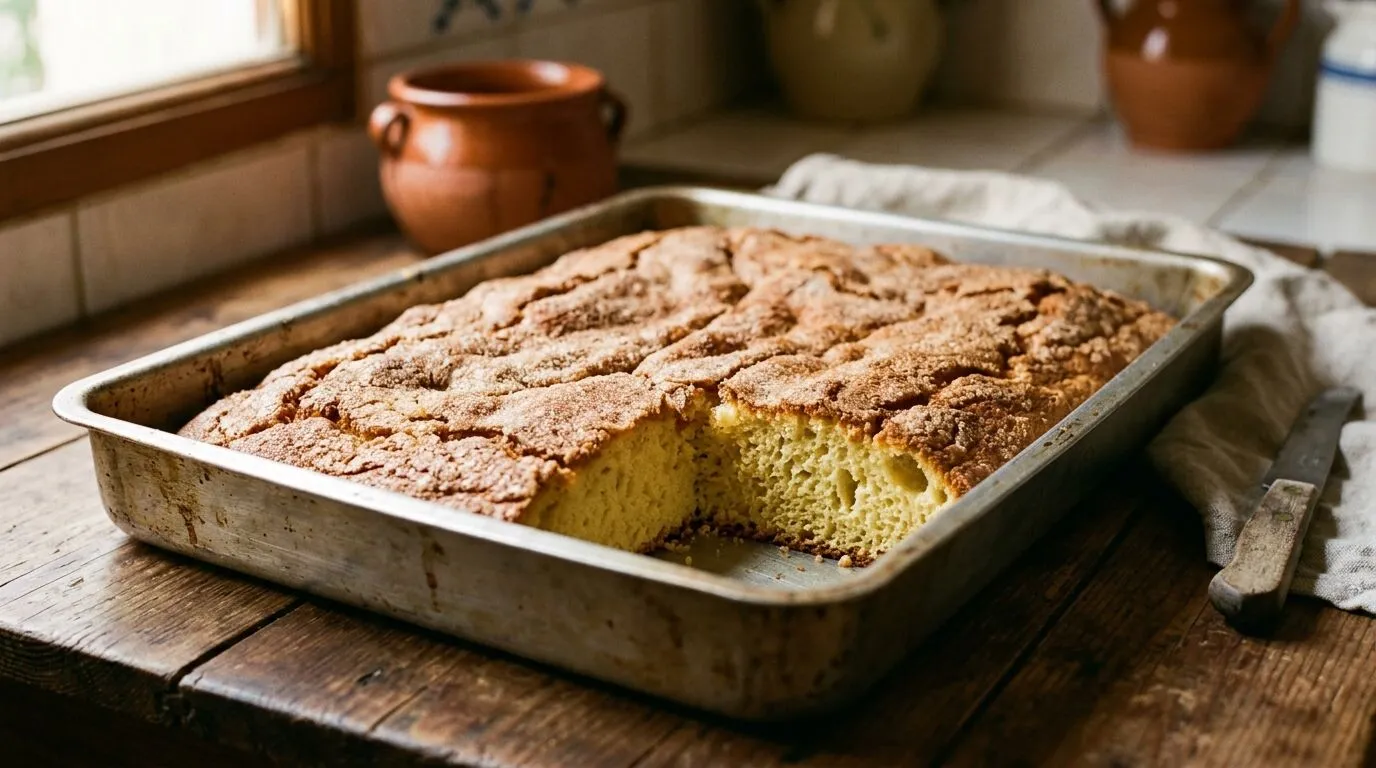
Coca de llanda is a sponge cake, not a dough coca like the savoury ones. Fluffy inside, with a crunchy layer of sugar on top, it is baked in a tray and cut into squares. It is a classic of Valencian breakfast and afternoon snacks, and one of the easiest to make: beat, mix and bake.
One recipe, not two mixed together
There are many coca de llanda recipes and they don’t agree. For this recipe we follow just one: the one published by Gastronosfera, from the bakery La Tahona del Abuelo. According to that source, it has six eggs, half a kilo of sugar, 250 ml of milk, 250 ml of olive oil, half a kilo of plain flour and a 25 g sachet of gaseosa. All the quantities in the recipe are theirs.
The second open recipe we looked at, El Español Valencia’s, has other proportions: less egg and less sugar, and raising agent in sachets with no weight given. It can’t be used to complete the first, and mixing them would give a batter that neither of the two supports. That is why we take no figures from it.
Mind the proportion: this recipe has half a kilo of sugar for half a kilo of flour, so it comes out a very sweet sponge. If you prefer it lighter, follow El Español’s recipe in full, not a mix of the two.
The tin and the trick of not filling it
The llanda is the rectangular tin in which it is baked. Gastronosfera gives a usual size of about 20 × 30 cm and about 5 cm deep. The base is lined with baking paper, and the rule most worth respecting is not to fill it to the top: the batter rises quite a lot in the oven and spills over.
If you don’t have a llanda, a tray or a rectangular tin of similar size will do, although the thickness changes and you would have to watch the baking.
Beat, mix and the oil at the end
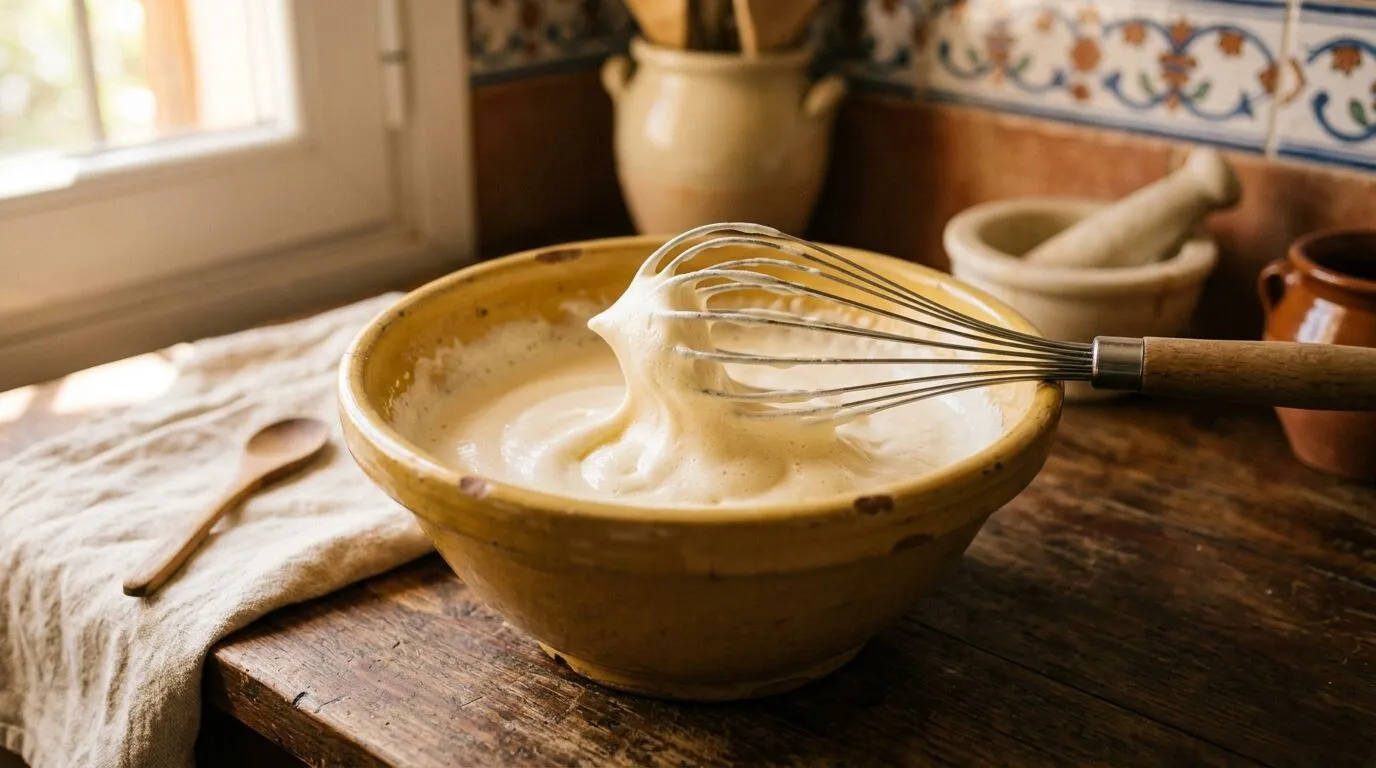
The order matters. First, eggs and sugar until the mixture turns pale. Then go the milk, the flour and the gaseosa. The oil goes in last, little by little, when the batter already has body, until it is smooth.
The source’s tips are few and useful: whole milk, for better flavour; grated lemon zest, to lift it; a high beating speed, for a fluffier mixture. The milk can be swapped for orange juice or water.
The sugar on top and the rest
Before baking, sugar is sprinkled generously over the top. In the oven it forms a layer that cracks and turns crunchy, and that is the first thing you see and the thing you most remember about this coca. Bake for 35 minutes at 180 °C, with the oven preheated for about 10, and check with a cocktail stick: it should come out clean. Leave it to rest for at least 30 minutes before cutting, so the crumb settles.
A sponge with several names
In Valencia it is called coca de llanda; in Alicante, coca boba or coca secreta; in Castellón, coca mal feta or coca de mida. El Español presents it as one of the staples of Valencian breakfast and afternoon snacks, and as an ideal sponge for any time of day, without tying it to a particular fiesta. That is why we don’t tie it to one here either.
If you like fiesta baking, in the recipe book you have the mona de Pascua, the pumpkin fritters and the fartons, which are more of a summer thing. And if you are after a savoury coca, see the coca de mollitas.
For many guests
One llanda is enough for an afternoon snack; for a group you have to bake several. If there are lots of you, we cook for groups with set-up and bar: see cooking and bar for fiestas.
History and variations
Gastronosfera says there is no written record of its origin and that craftspeople and elders agree it was born in the days of the war economy, from the basics available at home. It cites the Valencian bakery La Tahona del Abuelo, which dates from 1886. It is an oil sponge eaten at any time of day.
Alicante: In Alicante it is called coca boba or coca secreta. Sources
Castellón: In Castellón, coca mal feta (“badly made”) or coca de mida (“by measure”). Sources
Tips
Use whole milk: according to Gastronosfera, it gives a tastier result. Sources
Don’t fill the tin to the top: the batter rises in the oven. Sources
A little grated lemon zest lifts the flavour, and a higher beating speed makes it fluffier. Sources
Coca de llanda
Frequently asked questions
What is a llanda?
It is the rectangular tin in which this batter is baked, and the coca takes its name from it. The usual size given by Gastronosfera is about 20 × 30 cm and about 5 cm deep. The base is lined with baking paper and it is not filled to the top, because the batter rises. Without a llanda, a tray or a rectangular tin of similar size will do.
What temperature should coca de llanda be baked at?
At 180 °C, with the oven preheated for about 10 minutes, and for 35 minutes in the recipe we follow here. The other open recipe we looked at, El Español Valencia’s, also uses 180 °C, but for about 30 minutes. Prick with a cocktail stick: if it comes out clean, it is done. Then leave it to rest for at least half an hour before cutting.
How is the Valencian coca made?
It depends which one: coca de llanda is sweet, a sponge of egg, oil and milk, made by beating eggs and sugar, adding milk, flour and gaseosa, and lastly the oil. There are other Valencian cocas, savoury and with a different dough, such as the mollitas one or the coca amb tonyina, which have their own recipe in the recipe book.
Can you swap the milk for something else?
Yes. Gastronosfera says the milk can be replaced with orange juice or with water, although it recommends whole milk for the flavour. What doesn’t change is the order: first eggs and sugar until pale, then the milk, flour and gaseosa, and the oil at the end, little by little, until the batter is smooth.
Sources
Recipes
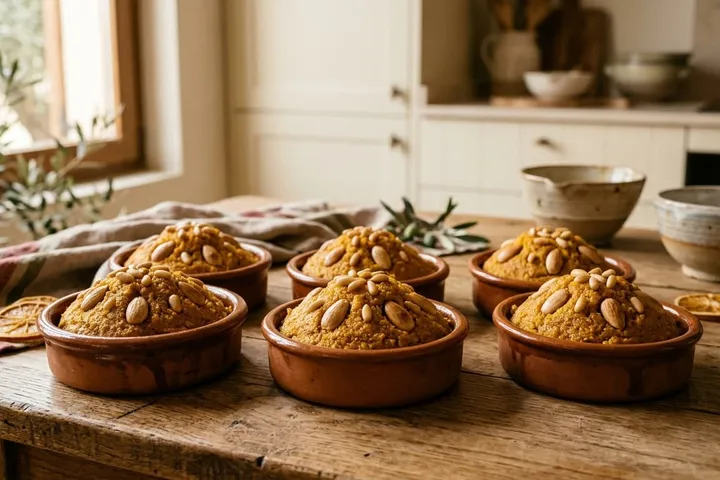
Arnadí pumpkin dessert
Arnadí pumpkin dessert for 6 moulds: pumpkin roasted, then drained overnight, cooked with sugar, almonds and egg yolks, then baked at 180 °C and 150 °C.
Total time: 185 min
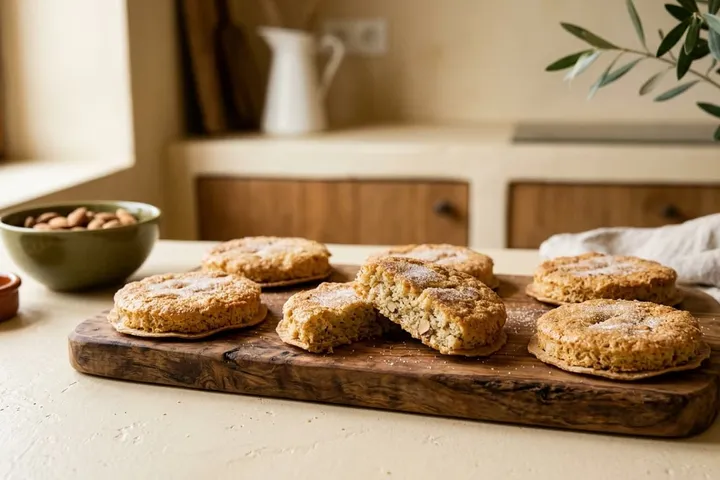
Coca Cristina
Coca Cristina for 6: meringue, ground almonds, flour and milk on wafers of about 15 cm, baked at 180 °C until lightly golden.
Total time: 40 min
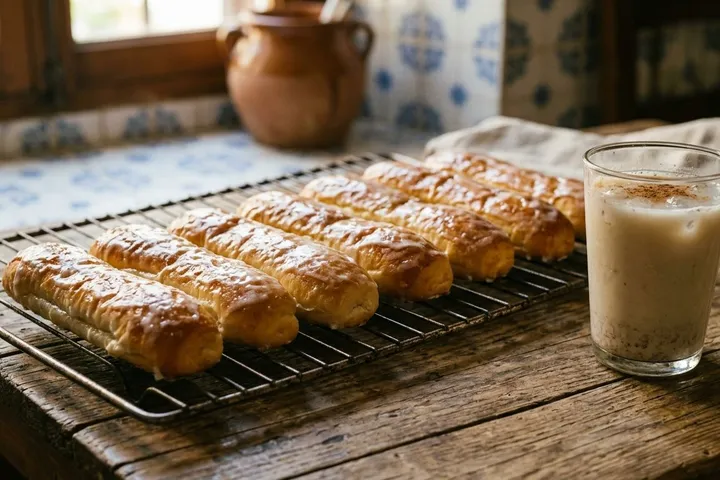
Fartons
Fartons, 10 pieces: strong flour dough with egg and oil, long rolls that double as they prove, baked and brushed with a hot glaze.
Total time: 227 min
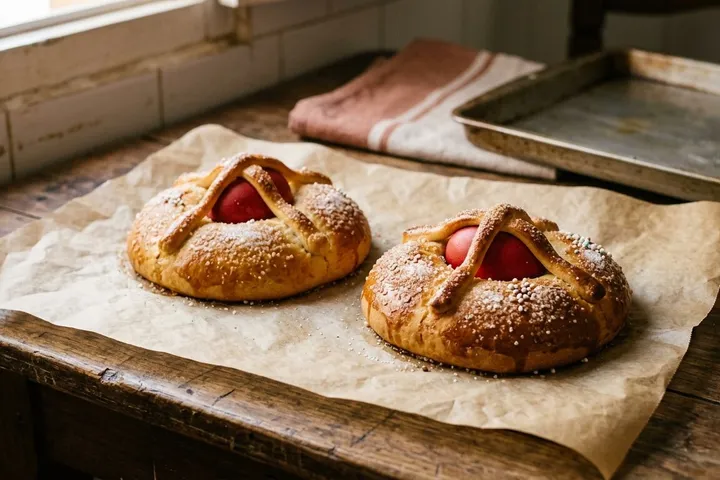
Mona de Pascua
Mona de Pascua for about 8 people: overnight starter, dough with orange blossom water and orange, a dyed egg in each, strips in a cross and a 180 °C oven.
Total time: 25 min
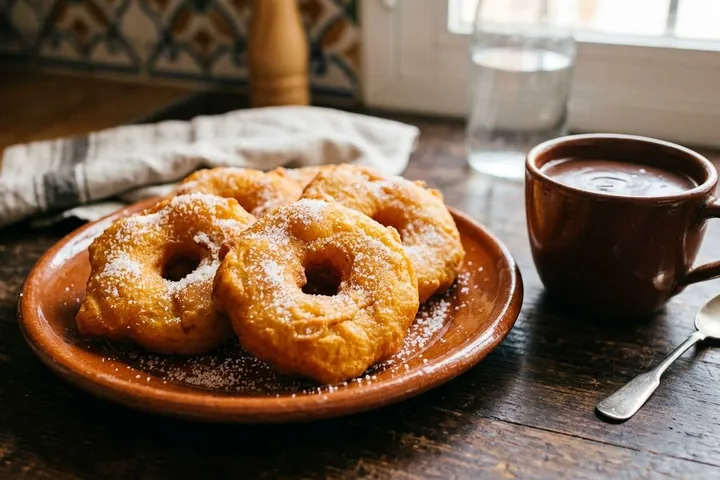
Pumpkin fritters (bunyols de carabassa)
Pumpkin fritters for about 12: roasted pumpkin, strong flour and fresh yeast, 30 minutes’ rest, fried with a hole in the middle and sugar on top.
Total time: 90 min